Expat Guide
Read the latest Cambodia real estate news and announcements.

Why Siem Reap, Cambodia Is a Great Place to Retire
Retiring in Siem Reap: Cost of living, healthcare options, visas, and where to live. Clear tips for a smooth long-stay move.
Average Rental Prices in Phnom Penh 2025
The dynamic city of Phnom Penh continues to be a hub of growth and<br /> opportunity, attracting a diverse mix of expatriates, investors, and local<br /> professionals. Understanding the current rental landscape is crucial for<br /> making informed decisions, whether you are looking for your next home or<br /> seeking to maximize returns on your investment property.

Cambodia’s Strong 6% Economic Growth Signals New Opportunities for Real Estate Investment
Cambodia’s economic engine is showing remarkable resilience, with GDP growth estimated at 5.8% in 2024 despite global headwinds, according to the Ministry of Economy and Finance (MEF). This upward trajectory is backed by robust activity in key sectors such as manufacturing, agriculture, and—crucially for investors—construction and real estate.
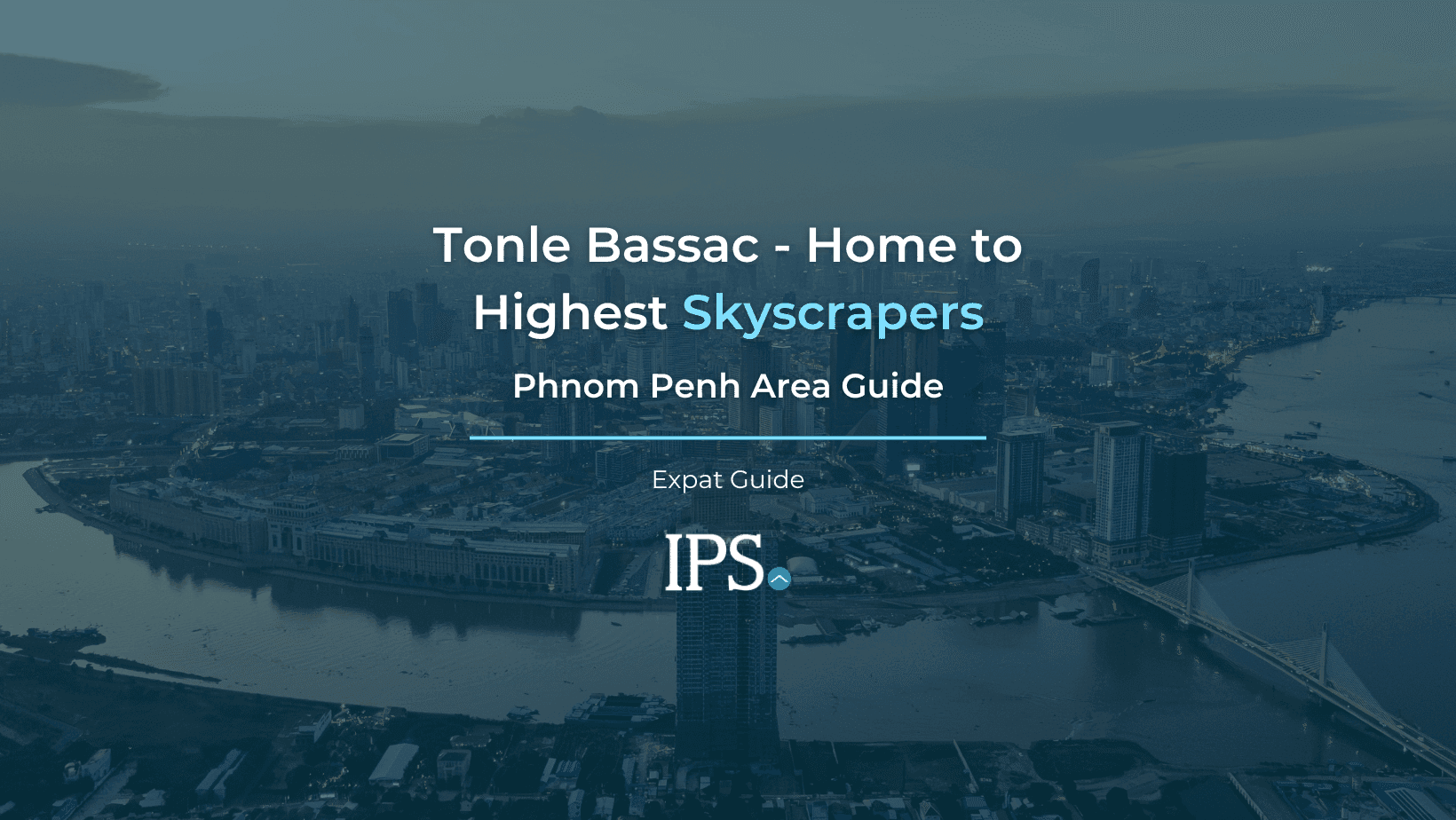
Phnom Penh Area Guide: Tonle Bassac – Home to Highest Skyscrapers
Tonle Bassac, once a quiet neighborhood in Phnom Penh, has undergone a remarkable transformation over the years, evolving into one of the capital’s most prestigious and vibrant districts. It is part of Chamkarmon district, located on the west side of the Bassac River, circled by Sihanouk Blvd. and Norodom Blvd.
Sihanoukville Condo Market Trends 2025
As of 2025, the Sihanoukville condo market is beginning to rise again, with several new residential projects launching in the region this year after a hiatus on new buildings in the city for several years prior. This new growth in the condo sector comes following a dramatic boom and gloom story for the coastal city over the previous decade.
Siem Reap Condo Market Trends 2025
Siem Reap’s condominium market, as compared to Phnom Penh or Sihanoukville, has a unique real estate dynamic at play; meaning that it reflects a totally different investment climate to Phnom Penh city.

Phnom Penh Condo Market Trends 2025
As of 2025, the Phnom Penh condo market has witnessed a significant cooling of activity compared to previous periods, most notably the years 2016 through to 2021 during which the market experienced its largest increase in supply of new condo units in the nation’s history, as well as the highest volumes of capital investment into the property sector.

100% Freehold Ownership for Foreign Investors at J Tower 3
Under the legal framework established by Sub-Decree No. 126 on the Management and Use of Co-Owned Buildings (2009), foreigners can own ‘private units’ within a co-owned building located in the Kingdom of Cambodia, excluding the ground floor and underground floors. This framework provides the basis for strata titles.