Cambodia Tax Incentives
Foreign investment plays a crucial role in Cambodia’s economic development, contributing to job creation, technology transfer, and infrastructure improvements. The Cambodian government recognizes the importance of attracting foreign direct investment (FDI) to maintain and accelerate economic growth.
As a result, they have implemented various tax incentives to make the country more appealing to investors and promote sustainable development. In this article, we will explore these tax incentives and their impact on Cambodia’s economy.
Special Economic Zones
Special Economic Zones (SEZs) are designated areas within a country where businesses are subject to different economic regulations and policies compared to other regions. The primary purpose of SEZs is to attract foreign investment, promote industrialization, and boost economic growth by offering a favorable business environment and various incentives to companies operating within these zones.
Benefits And Incentives For Businesses Operating In Sezs
Businesses operating in Cambodia’s SEZs can take advantage of several benefits and incentives , including:
- Reduced corporate income tax rates or exemptions
- Duty-free import of raw materials, machinery, and equipment
- Streamlined customs procedures and reduced administrative burdens
- Access to reliable infrastructure and utilities
- Availability of skilled labor force
These incentives are aimed at reducing the cost of doing business and making it easier for foreign investors to establish and operate their enterprises within the SEZs.
Successful Sezs In Cambodia
Cambodia has established several successful SEZs across the country, attracting investments from various industries, including garments, electronics, and automotive components. Some notable examples include:
- Phnom Penh Special Economic Zone (PPSEZ) : Located near the capital city of Phnom Penh, PPSEZ is one of the largest and most successful SEZs in Cambodia. It is home to over 100 companies from diverse sectors such as garments, packaging, and electronics.
- Sihanoukville Special Economic Zone (SSEZ) : Situated in the coastal city of Sihanoukville, SSEZ has attracted numerous investments, particularly from Chinese companies. The zone focuses on industries like textiles, machinery, and logistics.
- Poipet O’Neang Special Economic Zone (POSEZ) : Located near the border with Thailand, POSEZ is strategically positioned to facilitate cross-border trade and attract businesses involved in manufacturing, logistics, and warehousing.
These SEZs have played a significant role in driving Cambodia’s economic growth, creating jobs, and fostering industrial development.
Investment Incentives
Types Of Investment Incentives Offered By The Cambodian Government
The Cambodian government offers various investment incentives to attract foreign investors and promote economic growth. Some of the key incentives include:
- Tax incentives: These may involve reduced corporate income tax rates, tax exemptions, or tax holidays for a specified period.
- Import duty exemptions: Eligible businesses can enjoy duty-free imports of raw materials, machinery, and equipment necessary for their operations.
- Export incentives: Companies involved in export-oriented activities may receive incentives such as duty drawbacks or access to export credit facilities.
- Training and skill development incentives: The government may provide support to businesses investing in human resource development, such as vocational training and skill enhancement programs.
Eligibility Criteria For Investors
To qualify for investment incentives in Cambodia, investors must meet certain criteria, which may include:
- Investing in priority sectors identified by the government, such as agriculture, manufacturing, tourism, or infrastructure.
- Committing to a minimum investment amount as specified by the relevant authorities.
- Demonstrating a positive impact on the local economy through job creation, technology transfer, or infrastructure development.
- Complying with environmental and social responsibility standards.
The specific eligibility criteria and application procedures may vary depending on the type of incentive and the industry involved.
Industries Benefiting From Investment Incentives
Several industries in Cambodia have benefited from investment incentives, leading to increased foreign investment and economic growth. Some examples include:
- Garment and footwear industry : As a major contributor to Cambodia’s exports, this industry has attracted significant foreign investment, particularly from countries like China, South Korea, and Japan. Investment incentives have played a crucial role in the industry’s growth.
- Agriculture and agro-processing: Investment incentives have encouraged foreign investors to invest in Cambodia’s agriculture sector, focusing on activities such as rice milling, rubber processing, and aquaculture.
- Tourism: With its rich cultural heritage and natural attractions, Cambodia’s tourism industry has received a boost from investment incentives, leading to the development of new hotels, resorts, and tourism-related infrastructure.
Tax Holidays
A tax holiday is a temporary period during which the government reduces or eliminates certain taxes for businesses or individuals. The primary purpose of tax holidays is to encourage investment, stimulate economic growth, and promote specific industries or regions.
Duration And Conditions Of Tax Holidays In Cambodia
In Cambodia, tax holidays are granted to qualified investment projects (QIPs) under the investment incentives framework. The duration of a tax holiday depends on the nature of the project and its potential impact on the economy.
Typically, tax holidays in Cambodia can last up to nine years, consisting of a three-year exemption period followed by a gradual increase in the tax rate over the next six years. To qualify for a tax holiday, businesses must meet specific criteria, such as:
- Investing in priority sectors identified by the government
- Complying with environmental and social responsibility standards
- Contributing to job creation and skill development
Additionally, businesses are required to maintain proper financial records and submit regular reports to the relevant authorities to ensure compliance with the tax holiday conditions.
Impact Of Tax Holidays On Business Growth And Investment
Tax holidays have played a significant role in attracting foreign investment to Cambodia and promoting business growth.
By reducing the tax burden on businesses, tax holidays make it more attractive for investors to establish and expand their operations in the country. This, in turn, leads to job creation, technology transfer, and overall economic growth.
Moreover, tax holidays can help level the playing field for new businesses, allowing them to compete with established players and foster innovation in the market. However, it is essential to strike a balance between offering tax incentives and maintaining fiscal sustainability to ensure long-term economic growth and development.
Conclusion
Cambodia offers a range of tax incentives to attract foreign investment and promote economic growth. These incentives include reduced corporate income tax rates, tax exemptions, tax holidays, duty-free import of raw materials and machinery, and various other benefits.
These incentives are primarily targeted at businesses operating in Special Economic Zones (SEZs) and those investing in priority sectors such as agriculture, manufacturing, tourism, and infrastructure development.
In conclusion, tax incentives are essential for អចលនទ្រព្យក្នុងប្រទេសកម្ពុជា to attract foreign investment, promote economic growth, and achieve long-term development goals. The government must continually refine and adapt its policies to maintain competitiveness and ensure sustainable growth.
Related Articles

50% Returns in 5 Years: Breaking Down ODOM’s GRR and Buyback
Investors want two things above all else. Regular income and a clean exit. ODOM offers both with a 5-year Guaranteed Rental Return at 8% net and a Guaranteed Buyback at 110% of the purchase price.
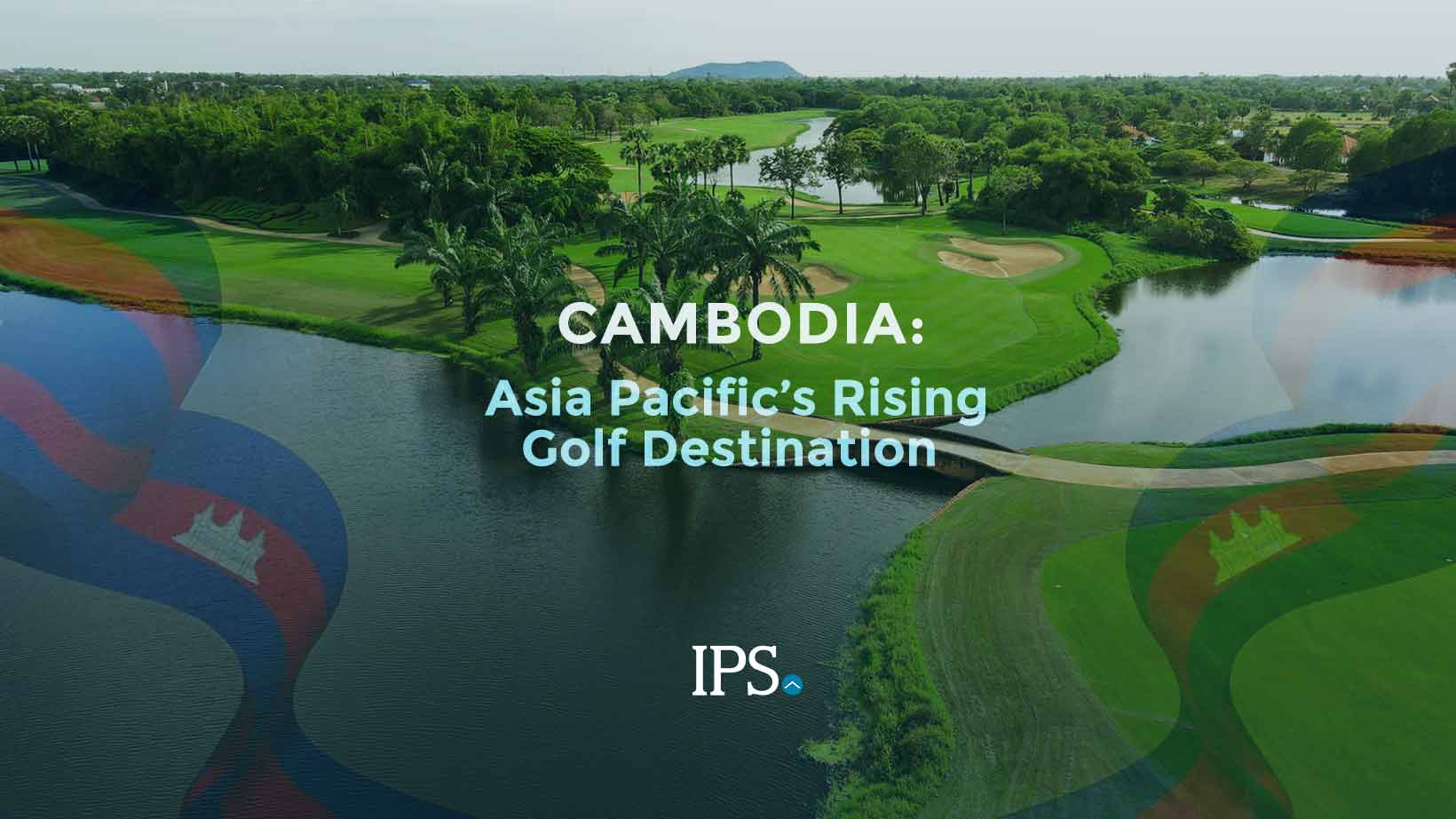
Cambodia: Asia Pacific’s Rising Golf Destination
Cambodia is recognized as one of Asia Pacific’s Golf Destination! Highlighting its world-class courses, growing tourism appeal, and lifestyle opportunities of golf-side living.
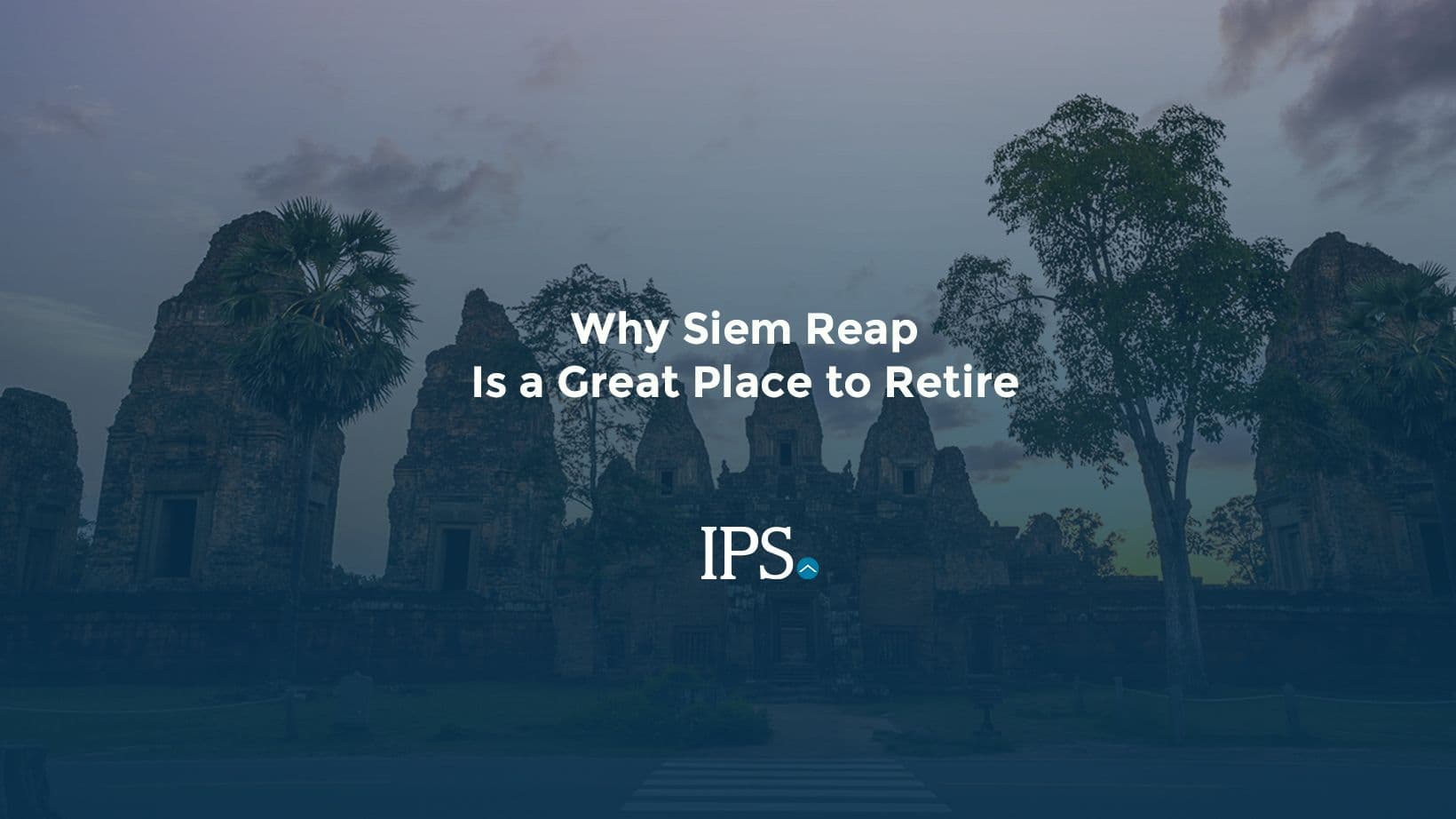
Why Siem Reap, Cambodia Is a Great Place to Retire
Retiring in Siem Reap: Cost of living, healthcare options, visas, and where to live. Clear tips for a smooth long-stay move.