Built for the Future
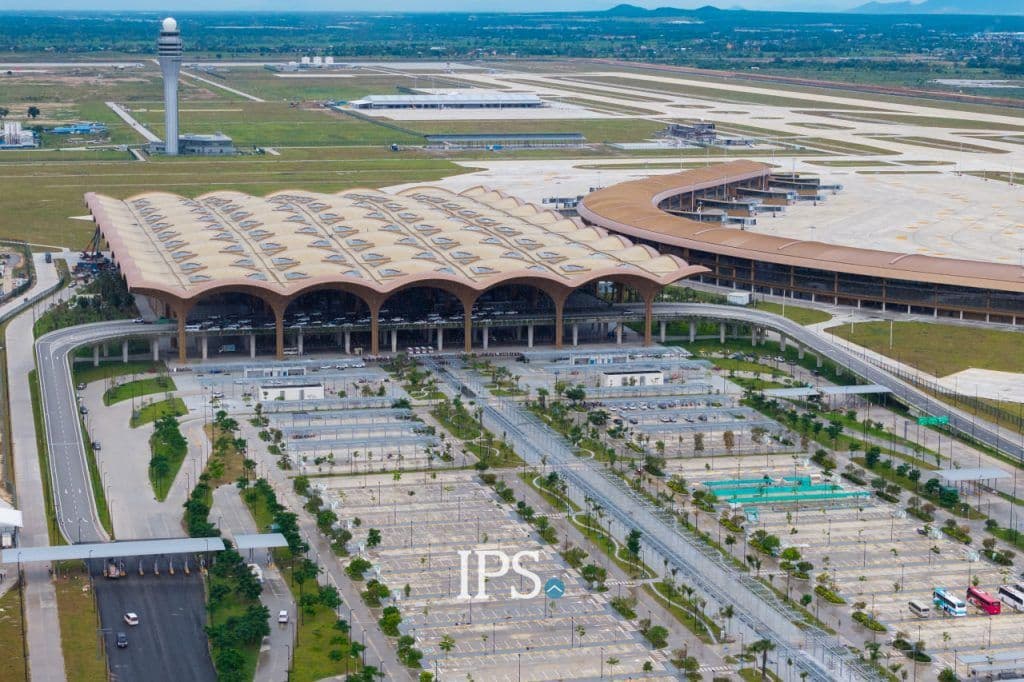
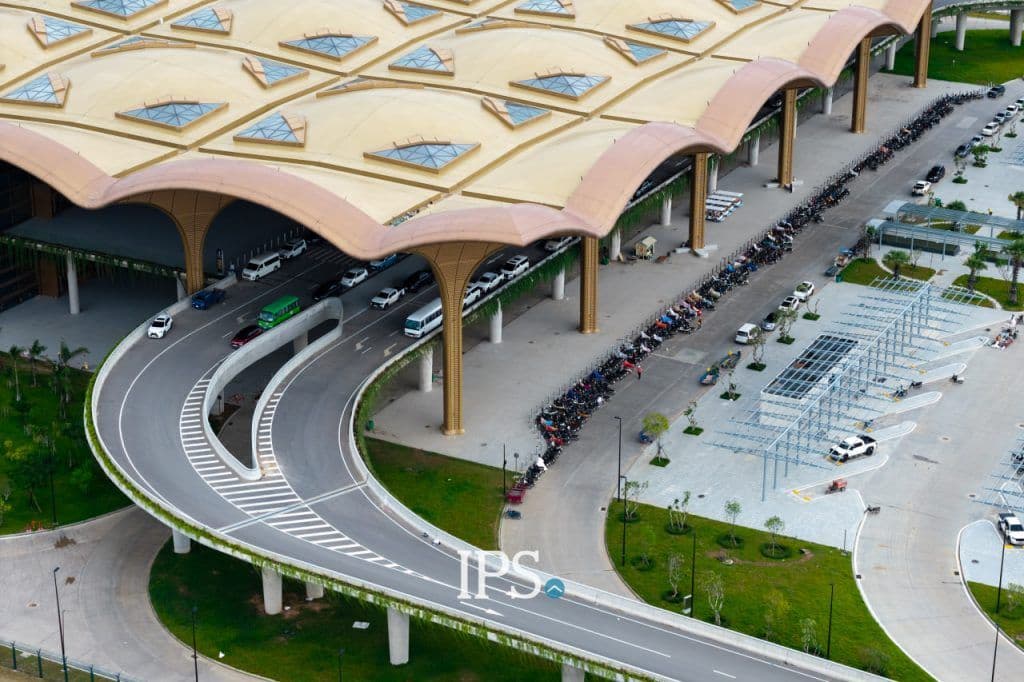
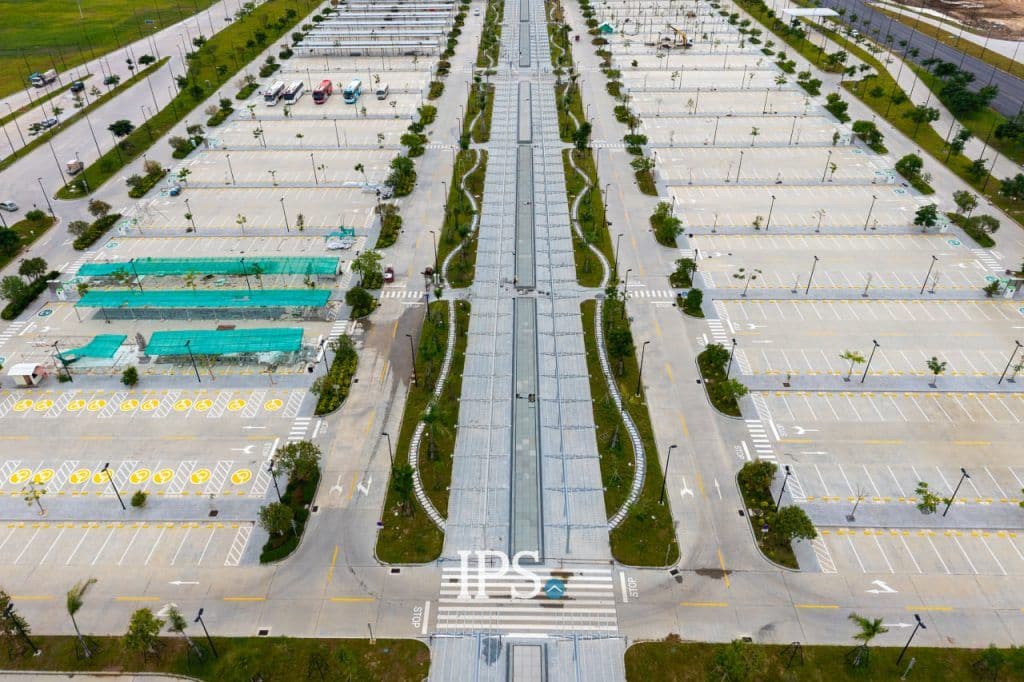
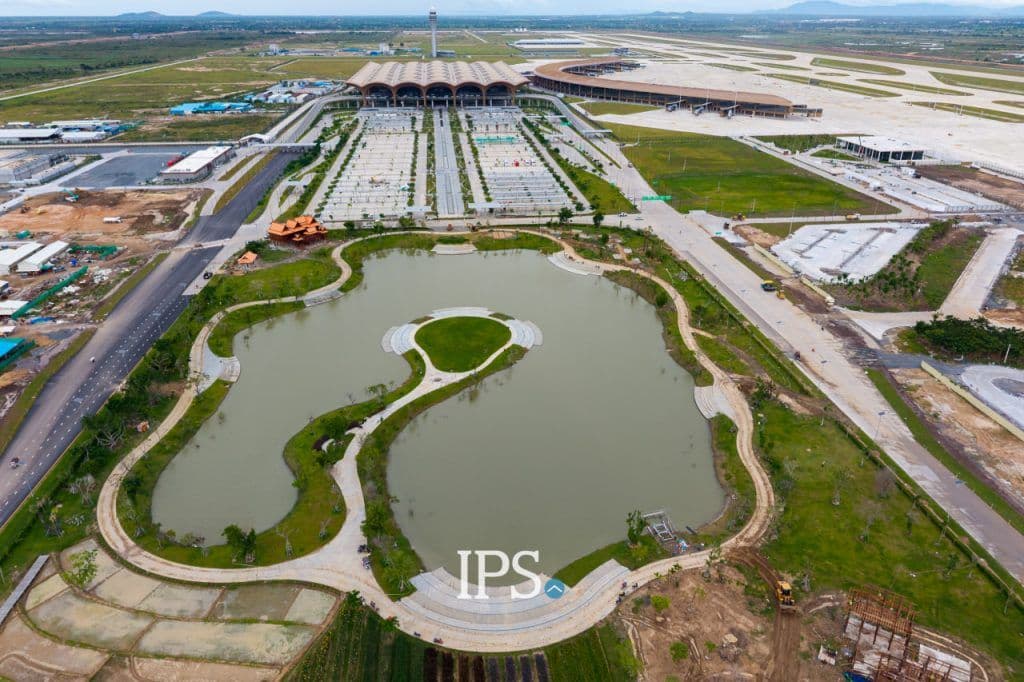
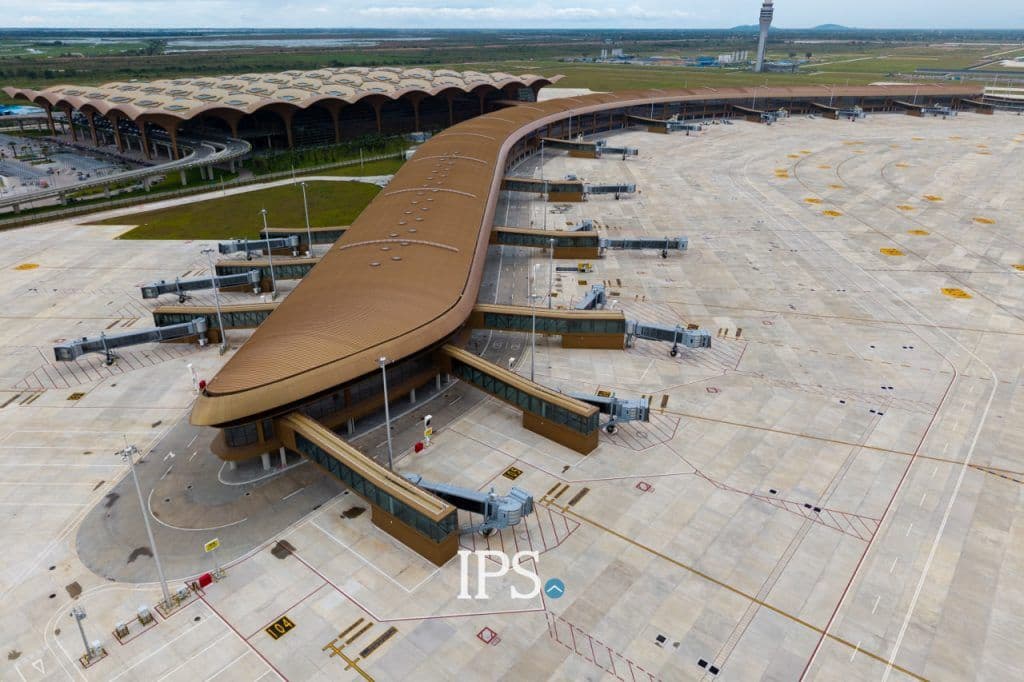
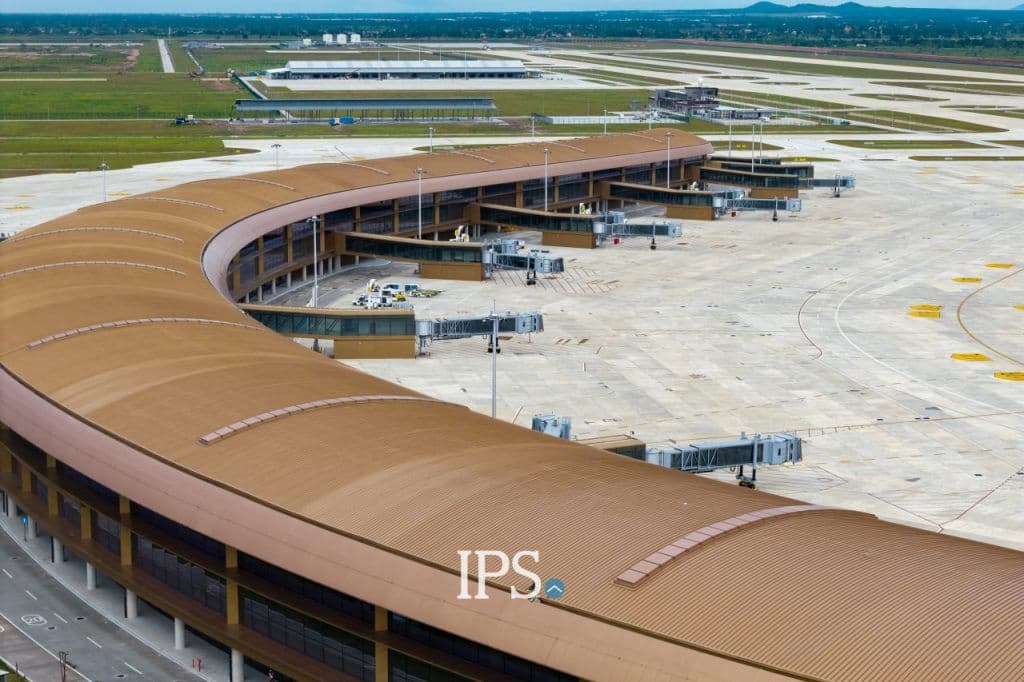
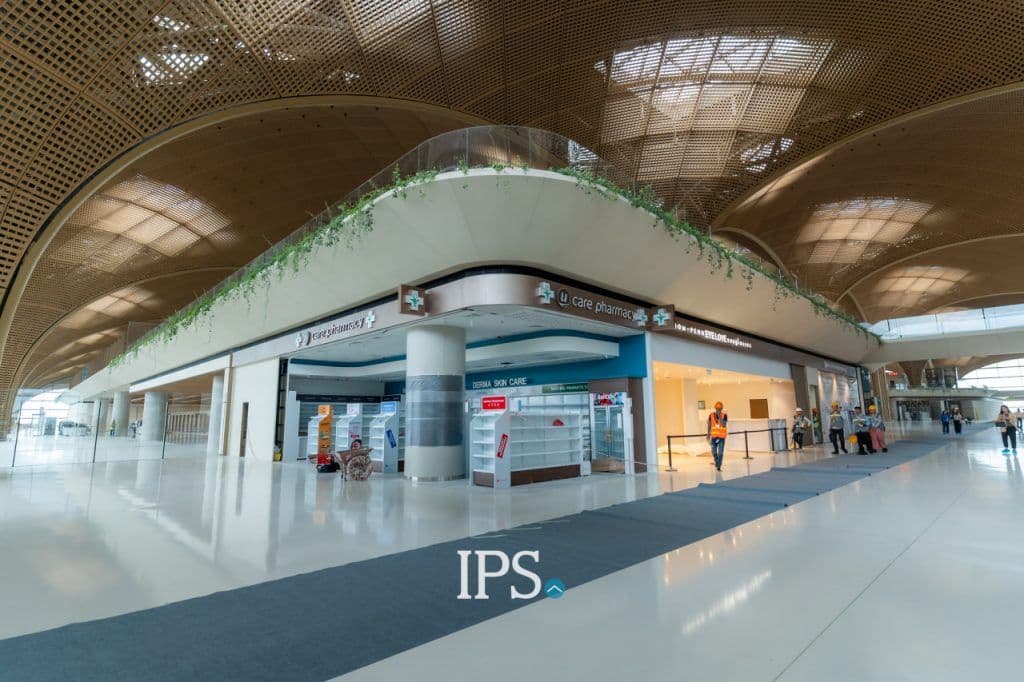
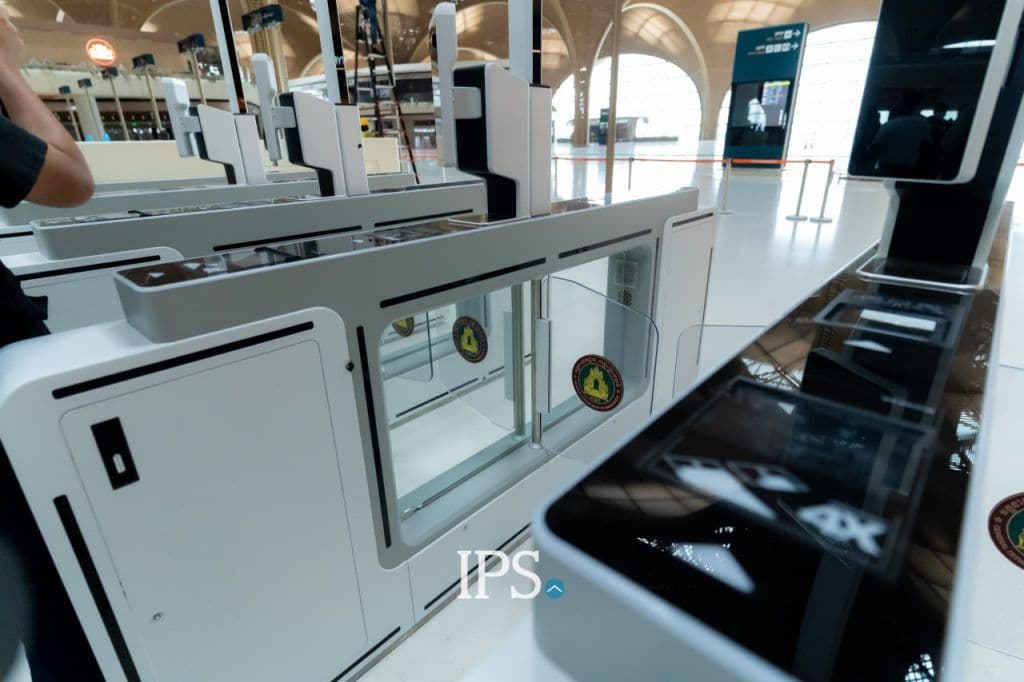
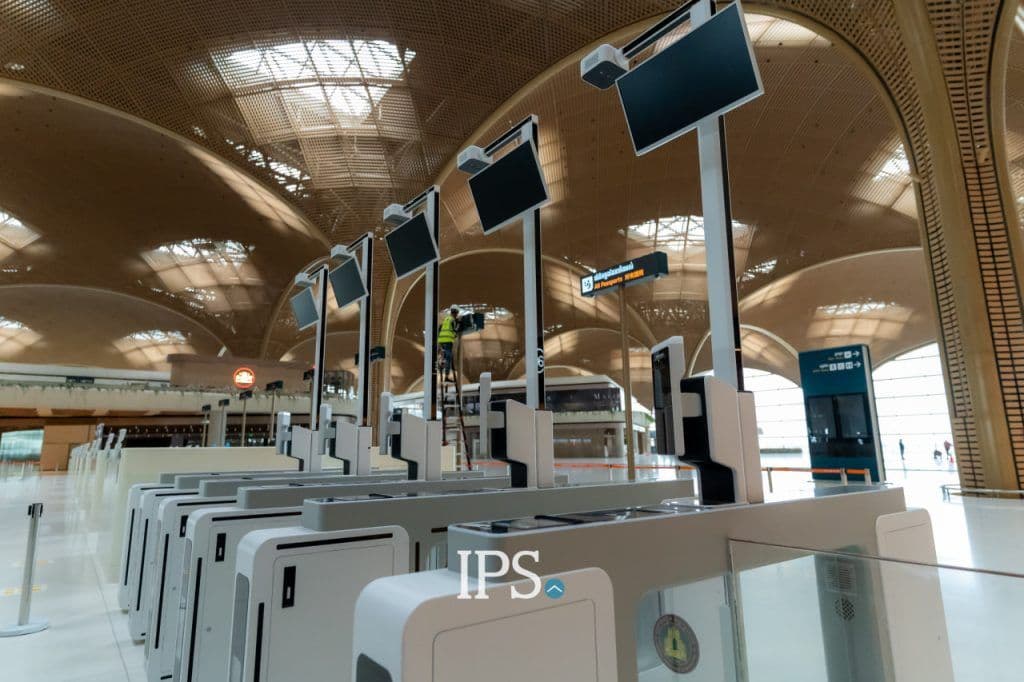
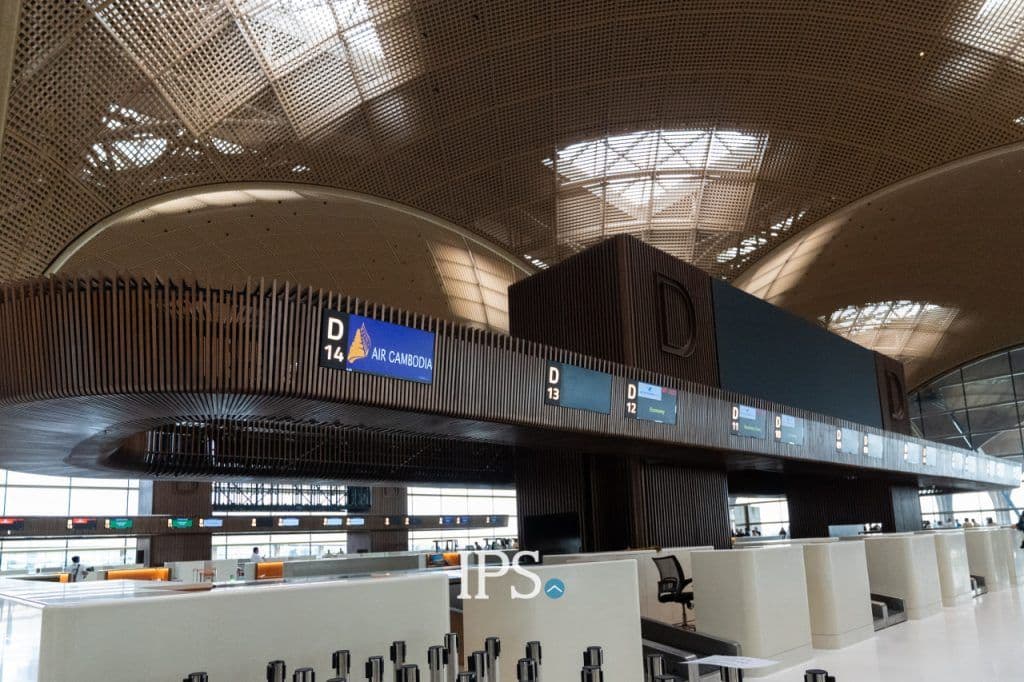
Designed as a greenfield class 4F facility , it can handle the world’s largest aircraft and will operate with three parallel runways . The design by Foster + Partners combines efficiency with elegance, ombines efficiency with elegance, featuring daylight-filled terminal halls and structural “trees" that support a sweeping steel canopy. Beyond its size and capacity, the airport also emphasizes sustainability and passenger comfort with 22 gates, capacity for 40 aircraft, solar integration, landscaped vertical gardens , and a central green space that brings nature into the terminal. This combination reflects Cambodia’s commitment to modern and sustainable development.
Techo International Airport will open with a capacity to handle 13 million passengers annually in its first phase. This will expand to 30 million in Phase 2, and eventually reach 50 million in Phase 3.
This expansion reflects Cambodia’s momentum. Before the pandemic, the country maintained GDP growth averaging around 7% per year , among the highest in Asia. With tourism recovery and foreign investment accelerating, the airport ensures Cambodia is equipped to manage the demands of the future.
Regional Context
In Southeast Asia, airports like Suvarnabhumi in Bangkok and Changi in Singapore have long set the benchmark for connectivity and passenger experience. Techo International Airport now positions Cambodia firmly on that same aviation map. While Cambodia’s passenger traffic will remain smaller than those established giants, its scale and modern design demonstrate a readiness to compete regionally and provide travelers with an experience that matches international standards from the moment they arrive.
A Seamless Transition
Phnom Penh International Airport will close to commercial flights on 8 September 2025. From 9 September onward, all flights will operate from Techo International Airport. The move represents the end of an era for Cambodia’s old gateway, and the beginning of a new chapter in global connectivity.